Our signature Pokhara trek — into the Annapurna Sanctuary
Annapurna Base Camp (ABC) Trek
A classic teahouse trek through subtropical forest, Gurung villages and rhododendron woodland to the Annapurna Sanctuary at roughly 4,130m, surrounded by Annapurna I, Annapurna South, Hiunchuli and Machhapuchhre.
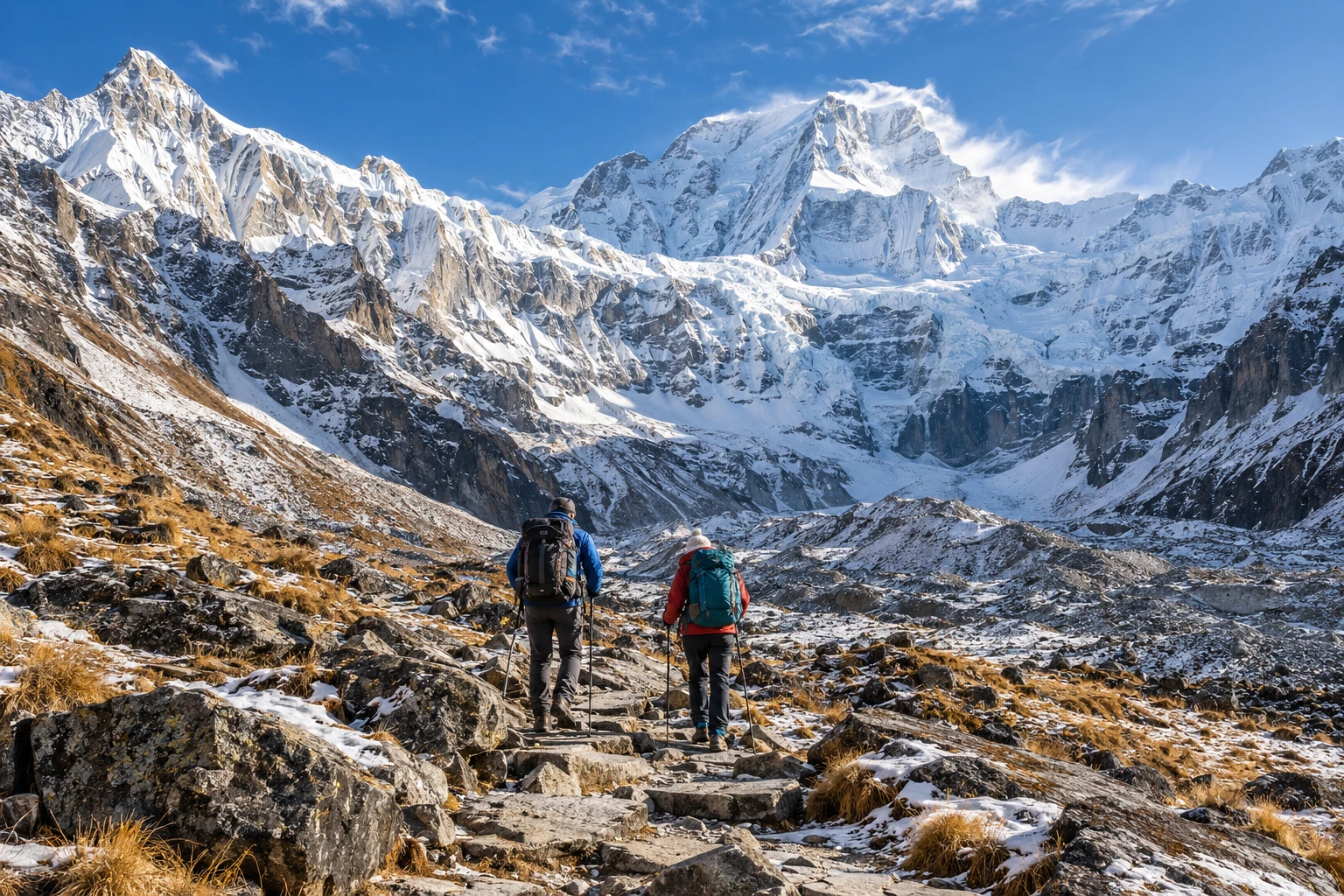 AI-generated illustration
Who this suits
The ABC trek suits reasonably fit travellers who want a genuine multi-day Himalayan trek — several hours of walking most days, teahouse accommodation, and a real sense of altitude and remoteness — without the technical difficulty or extreme elevation of a higher expedition. It is not a gentle stroll: expect long stone-staircase sections, cold nights above 3,000m, and days that test stamina even for people who consider themselves generally fit. We ask every traveller about trekking experience, fitness and any medical history so the pacing and support we propose actually match the group, rather than assuming the trek suits everyone equally.
Maximum altitude
4,130m
Trekking days vs. total trip
The walking itself is commonly done over about 7–9 trekking days from trailhead to trailhead. The sample itinerary below is an 11 day / 10 night total trip because it also includes arrival/departure buffer, Kathmandu–Pokhara transfer time and one planned contingency day — treat 'trek duration' and 'total trip length' as two different numbers, and ask us to adjust either one once we know your dates and fitness.
Day-by-day itinerary
- 1
Day 1: Arrive Kathmandu
Private airport pickup and transfer to your hotel; an easy first evening to adjust after the flight.
Overnight: Kathmandu - 2
Day 2: Fly or drive to Pokhara
A short domestic flight (around 25–30 minutes) or a scenic 6–8 hour drive to Pokhara, with the rest of the day free lakeside.
Overnight: Pokhara - 3
Day 3: Trek briefing & drive to the trailhead, trek to Ghandruk
A final gear check and route briefing, then a drive to the trailhead area (commonly via Nayapul/Kimche) and the first walking day through terraced farmland and forest to the Gurung village of Ghandruk.
Overnight: Ghandruk (teahouse, ~1,940m)Walking: 4–6 hours - 4
Day 4: Ghandruk to Chhomrong
A mix of descent and climb through forest and smaller villages, with Annapurna South and Hiunchuli visible for much of the day, to Chhomrong — the last larger village before the trail narrows into the Modi Khola gorge.
Overnight: Chhomrong (teahouse, ~2,170m)Walking: 5–6 hours - 5
Day 5: Chhomrong to Dovan (via Sinuwa & Bamboo)
A descent to the Chhomrong Khola and a long climb into increasingly dense bamboo and rhododendron forest, passing Sinuwa and Bamboo villages.
Overnight: Dovan (teahouse, ~2,580m)Walking: 6–7 hours - 6
Day 6: Dovan to Machhapuchhre Base Camp (MBC)
The forest thins into alpine shrub as the valley narrows further; the trail runs along avalanche-prone slopes in places, which is why guide judgement on timing and route matters on this stretch.
Overnight: Machhapuchhre Base Camp (teahouse, ~3,700m)Walking: 5–6 hours - 7
Day 7: Machhapuchhre Base Camp to Annapurna Base Camp
A short but high, slow-paced morning walk — vegetation gives way to rock, moraine and (season-dependent) snow — arriving at the Sanctuary with Annapurna I, Annapurna South, Gangapurna, Hiunchuli and Machhapuchhre around the amphitheatre. We build in time to acclimatise and simply be there before starting back down.
Overnight: Annapurna Base Camp (teahouse, ~4,130m)Walking: 2.5–3.5 hours up, plus descent back toward Bamboo the same or following day depending on pace - 8
Day 8: Descend to Bamboo (or Jhinu)
A long descent — this is the day most people feel in their legs — retracing the route back down through MBC and Dovan toward Bamboo or, with an earlier start, as far as Jhinu.
Overnight: Bamboo (teahouse, ~2,310m)Walking: 6–7 hours - 9
Day 9: Bamboo to Jhinu Danda, hot spring stop
Continue the descent via Chhomrong to Jhinu Danda, with time at the natural hot spring beside the Modi Khola — a genuinely welcome stop after a week of walking.
Overnight: Jhinu Danda (teahouse, ~1,780m)Walking: 5–6 hours - 10
Day 10: Jhinu to trailhead, drive to Pokhara
A final, mostly gentle walking stretch to the trailhead, then a private transfer back to Pokhara for a shower, a proper bed and a well-earned rest day feel.
Overnight: PokharaWalking: 2–3 hours trek, plus driveMeals: Breakfast - 11
Day 11: Departure
A free morning depending on flight timing, then private transfer to the airport or onward connection.
Overnight: —
Typically included
- Licensed trekking guide for the full route
- ACAP permit (and any other permit confirmed as required at time of booking)
- Teahouse accommodation on the trail
- Private transfers to/from the trailhead
- Pokhara hotel (pre/post-trek nights)
- Daily breakfast
Typically excluded
- International and domestic flights
- Nepal visa fees
- Travel/trekking insurance, including evacuation cover
- Lunches and dinners on the trail (ordered and paid locally, or arranged in advance on request)
- Porter (available as an add-on — ask us to include one in your quotation)
- Personal expenses, hot-spring entry, device charging and Wi-Fi fees on the trail
- Tips/gratuities
Optional upgrades
- Add a porter (typically carrying a set maximum load per trekker — confirmed in your quotation)
- Extend with a Poon Hill side-route or an extra Pokhara lakeside recovery day
- Upgrade specific nights to a higher-comfort lodge where one genuinely exists on that stretch of the route
Important notes
- Flight schedules between Kathmandu and Pokhara/Bhairahawa are occasionally affected by weather; we build reasonable buffer time where possible.
- Exact accommodation properties are confirmed at booking stage based on availability, your preferences and room category.
- This itinerary is a starting point — every detail can be adjusted to your dates, pace and interests.
- This is a sample itinerary, not a fixed departure — exact overnight stops can shift by a village either way depending on pace, group fitness and teahouse availability on your dates.
- An accelerated version of this trek (fewer days, more altitude gain per day) is sometimes offered elsewhere in the market; we don't propose one by default because it meaningfully increases altitude-illness risk, and we'll explain the trade-off clearly if you specifically ask for a shorter schedule.
Travelling responsibly
- We favour locally owned and registered accommodation and transport partners wherever standards allow.
- Wildlife activities follow national park rules and avoid animal performance-based experiences.
- We favour teahouses and guides based in the villages the trail passes through, so trekking income stays largely local to the Annapurna Sanctuary communities.
Fitness, preparation & terrain
No technical climbing or scrambling skill is required, but this is a genuine multi-day trek with sustained stone-staircase climbs and descents, several consecutive 5–7 hour walking days, and cold nights above 3,000m. We recommend building up regular walking or stair fitness for several weeks beforehand if you don't already walk/hike regularly, and being honest with us about any joint, cardiac or respiratory condition when you enquire, so we can give an honest view of whether this specific route — rather than a shorter alternative like Poon Hill or Mardi Himal — is the right fit.
Teahouses, meals, water & charging
Meals are ordered from each teahouse's menu — dal bhat (rice, lentils, vegetables) is the standard, filling trekking meal and often the best value and most reliably fresh option at altitude. Bottled water becomes more expensive the higher you go; we recommend a reusable bottle with a filter or purification tablets instead. Electricity for charging phones/cameras is usually available for a small per-device fee the higher you go, and is not guaranteed to be constant; a power bank is worth carrying. Wi-Fi or local SIM data coverage is patchy and often paid above Chhomrong — treat connectivity on this trek as occasional, not continuous.
Permits & guide requirements
Every trekker needs a valid Annapurna Conservation Area Permit (ACAP), checked at entry points along the route — this is issued by the Annapurna Conservation Area Project and can be arranged in Pokhara or Kathmandu. Nepal's trekking-guide regulations (in force since 2023) require Annapurna-region routes, including ABC, to be accompanied by a licensed trekking guide arranged through a registered agency; independent, unguided trekking on this route is not permitted. Historically a separate TIMS card was also required for this route — permit requirements in Nepal have changed more than once in recent years and enforcement has not always been consistent across sources, so rather than quote a single fixed fee or rulebook here, we confirm the exact, current permit set and cost with you (and arrange it) once your trek is booked.
Altitude, insurance & contingency
4,130m is high enough that altitude headaches, nausea or disturbed sleep are genuinely possible, even for fit, experienced trekkers — this is physiology, not fitness. We brief every ABC traveller on acclimatisation pacing and the warning signs that mean 'descend', and our guides carry basic first-aid training and know the nearest options for descent or evacuation. Comprehensive travel insurance that explicitly covers trekking at this altitude — including helicopter evacuation — is a condition of joining this trek, not a suggestion; see our Travel Insurance page for what to check. We also build at least one contingency/buffer day into every ABC quotation so a slower pace, a weather delay or an early symptom doesn't have to mean turning the whole trip around.
Packing essentials
- Broken-in, ankle-supporting trekking boots (not new out of the box)
- Layered clothing: moisture-wicking base layers, an insulating mid layer, and a waterproof/windproof outer shell
- A warm hat, gloves and a buff/neck gaiter for the colder upper stretches
- A 3-season sleeping bag or a liner for teahouse blankets, rated for below-freezing nights
- Trekking poles — genuinely useful on the steep stone staircases, both up and down
- A headlamp with spare batteries
- A personal first-aid kit, any regular medication, and basic altitude-sickness medication discussed with your doctor beforehand
- Reusable water bottle plus a filter or purification tablets
- A power bank (device charging is often paid and not always available)
- Sun protection — sunglasses and high-SPF sunscreen (UV is stronger at altitude than it feels)
- Nepali rupees in cash — ATMs are not reliable beyond Pokhara and the lower trailhead towns
Frequently asked questions
- How fit do I need to be for the ABC trek?
- Reasonably fit, with some recent experience of multi-hour walking or hiking. There's no technical climbing, but several days involve 5–7 hours of walking with sustained ascents and descents on stone steps. If you're unsure, tell us about your current activity level and any health conditions when you enquire, and we'll give an honest view — including suggesting a shorter trek like Poon Hill or Mardi Himal if ABC isn't the best match.
- Do I need a guide, and can I trek Annapurna Base Camp independently?
- No — Nepal's trekking regulations require a licensed guide, arranged through a registered agency, for Annapurna-region routes including ABC. Independent, unguided trekking isn't permitted on this route, so a guide is included as standard in every ABC trek we arrange.
- What's the difference between the trekking days and the total trip length?
- The walking itself typically takes about 7–9 days trailhead-to-trailhead. Our sample itinerary above is 11 days total because it adds Kathmandu/Pokhara transfer days and one contingency day for weather or pacing — both numbers can be adjusted once we know your dates and fitness.
- Is Annapurna Base Camp trek safe, and what about altitude sickness?
- The route itself is well-established and teahouse-supported throughout, but 4,130m is high enough that altitude headaches, nausea or poor sleep are a real possibility for anyone, regardless of fitness. We brief every traveller on acclimatisation pacing and warning signs, build in a contingency day, and require insurance that covers evacuation from altitude. We don't guarantee against altitude illness — no operator honestly can — but we do take it seriously in how we plan and guide the trek.
- What's the best time of year for this trek?
- October–November and March–May are the most reliable windows for stable weather and mountain visibility, with spring also bringing rhododendron bloom at the mid elevations. Winter (December–February) is trekkable but colder, with snow possible on the higher stretches; the monsoon (June–September) brings heavier rain, leeches at lower elevations and reduced mountain views, so we generally steer travellers away from it for this specific route.
- Does this page show a fixed price?
- No. Cost depends on group size, season, guide-to-trekker ratio, whether a porter is added, and your chosen pre/post-trek accommodation in Pokhara, so we quote every ABC trek individually once we know your dates and group.
Experiences on this journey
AI-generated illustrationTrekking
From gentle two-day village walks to our signature Annapurna Base Camp trek — matched to your fitness and time.
 AI-generated illustration
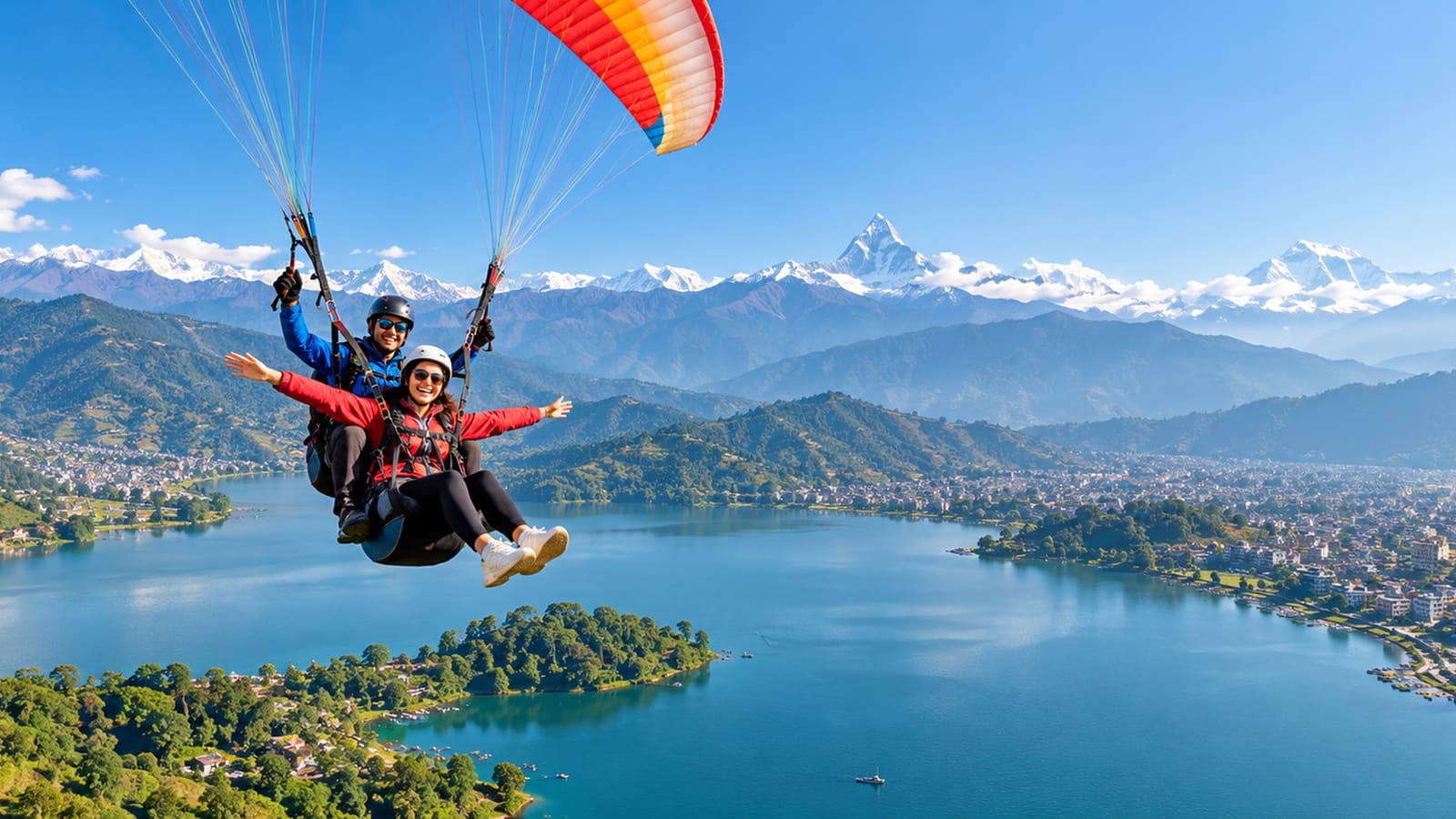
Adventure
Paragliding, rafting, ziplining, mountain biking and more, based mainly around Pokhara, through vetted operators.
 AI-generated illustration
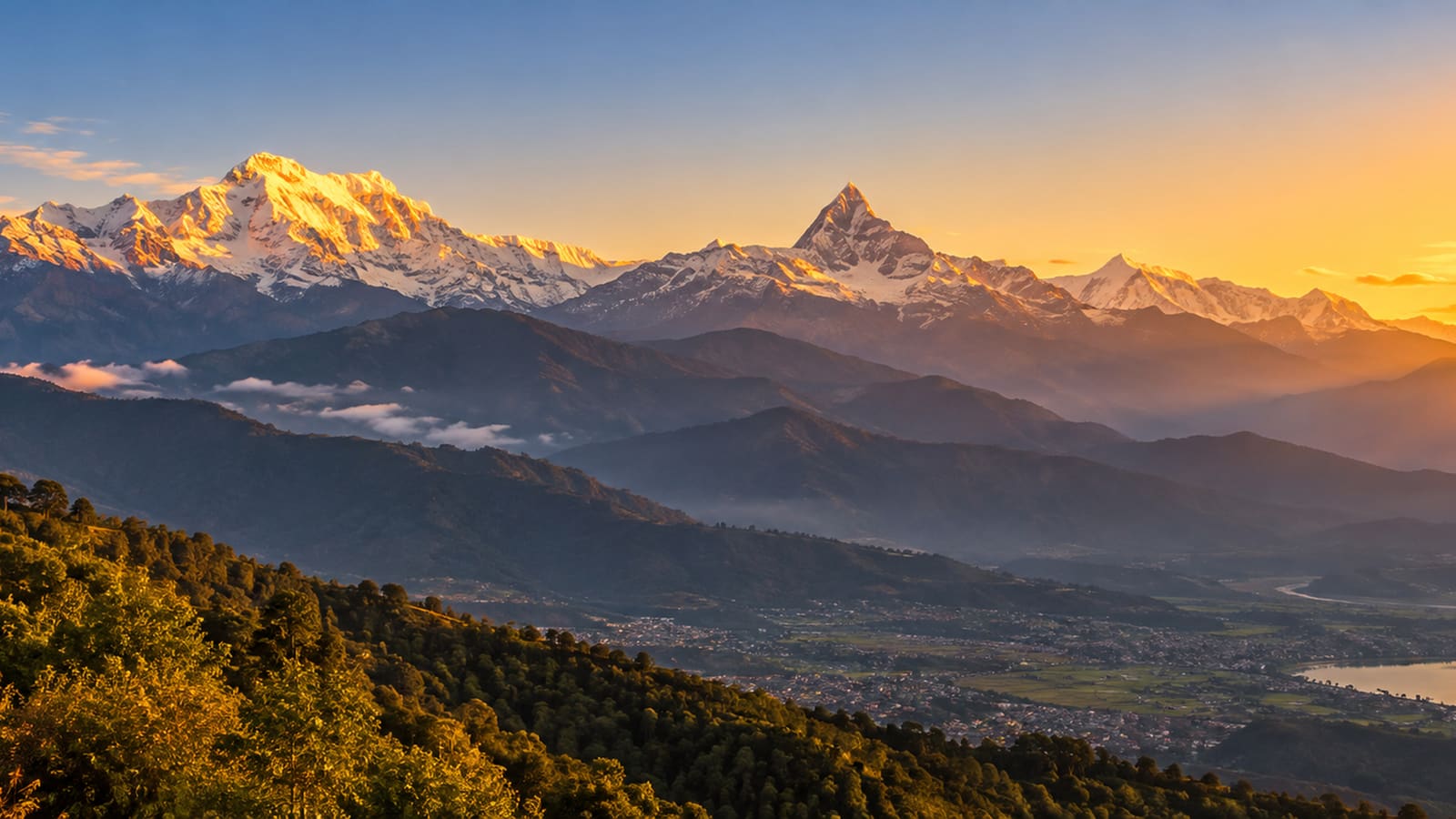
Photography
Golden-hour viewpoints, heritage architecture and wildlife, planned around light and timing.
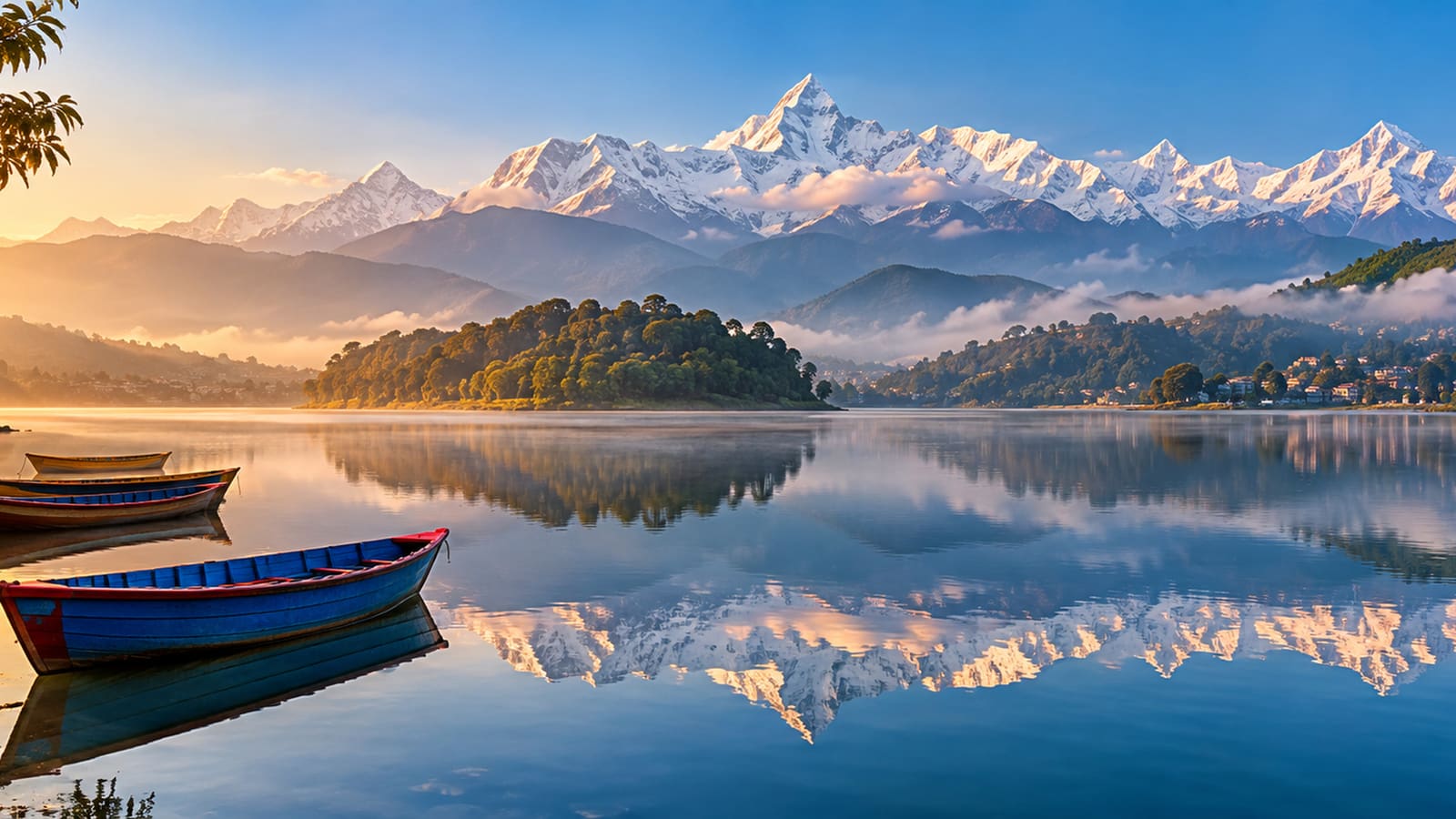
Ready to plan Annapurna Base Camp (ABC) Trek?
Share your dates and preferences and we'll come back with a tailored itinerary and quotation. Sending this enquiry doesn't confirm a booking, availability or price.
More journeys
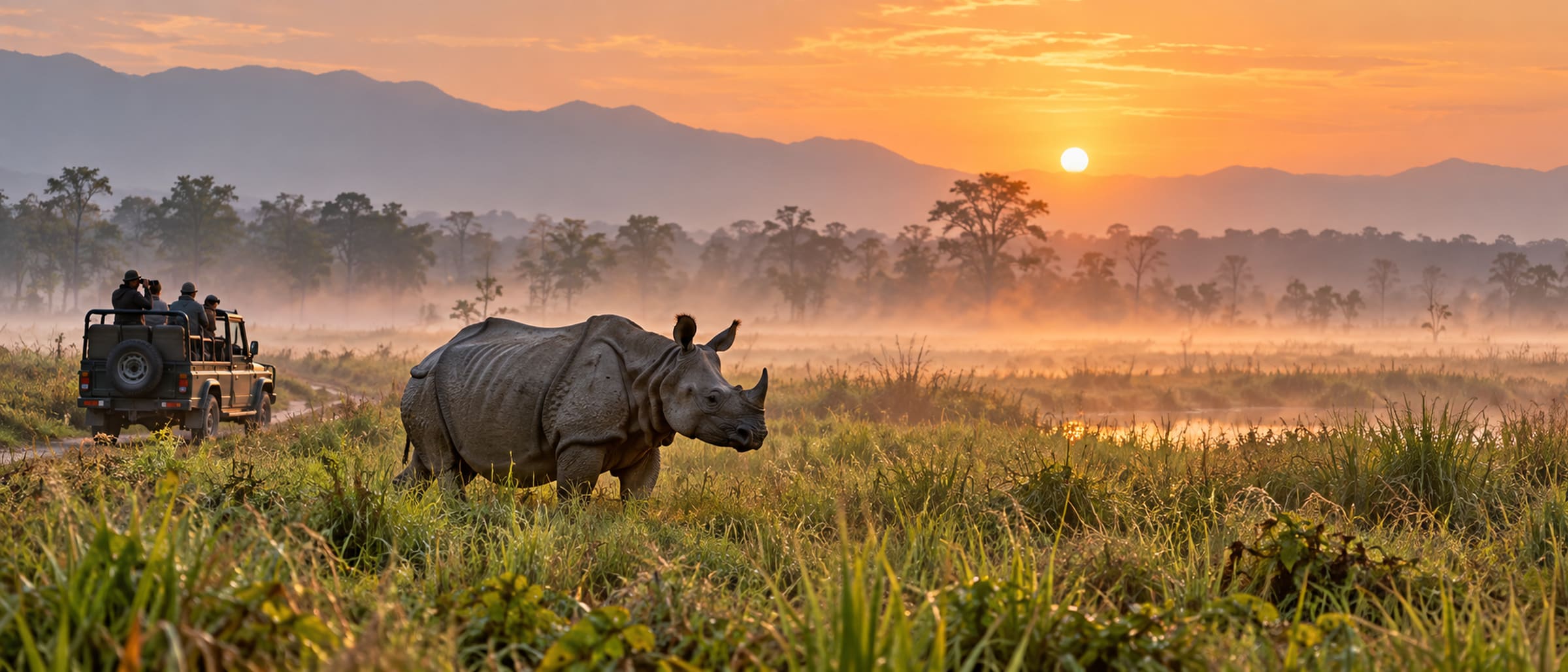
Essential Nepal: Kathmandu, Pokhara & Chitwan
A well-paced first journey through Nepal's three most complementary regions — heritage in Kathmandu, mountains and lakes in Pokhara, and wildlife in Chitwan.
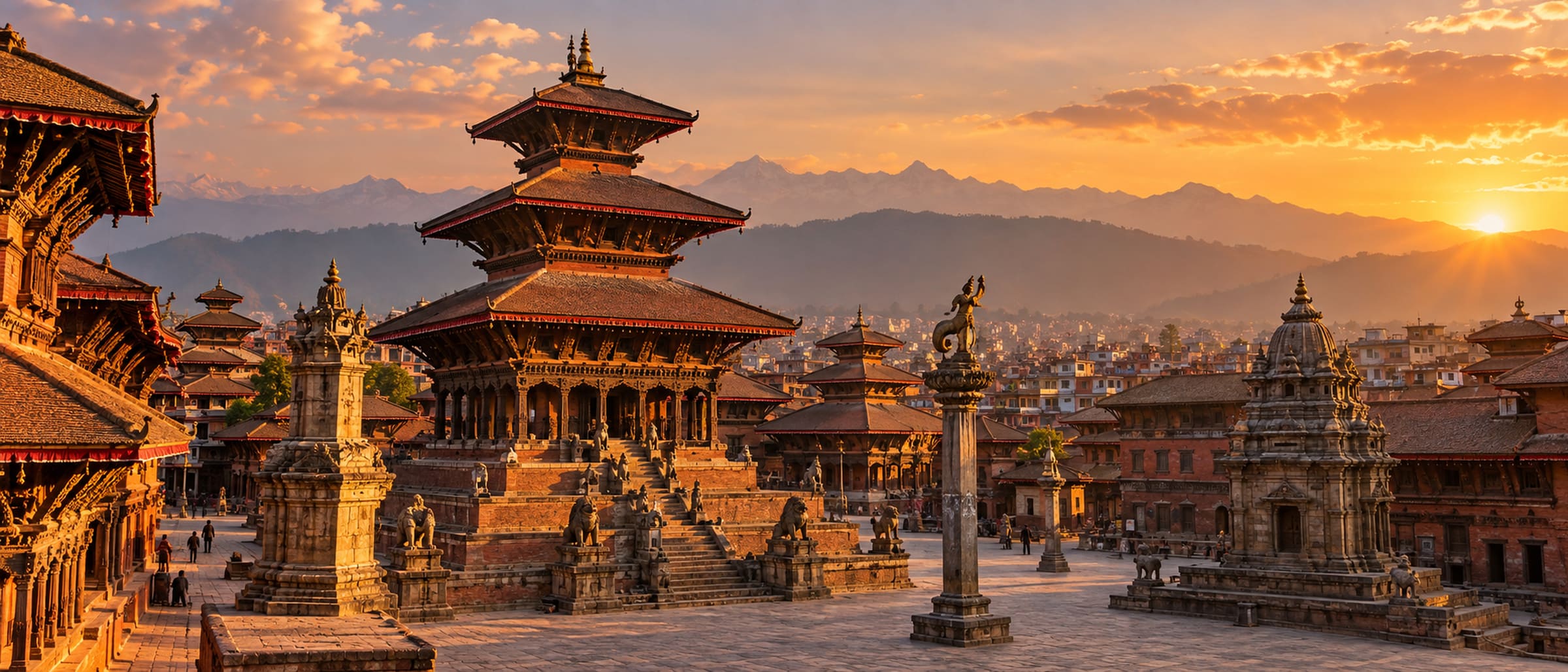
Nepal in Depth: Kathmandu, Pokhara, Chitwan & Lumbini
For travellers with more time — a thorough journey through all four of Shakurma's core regions, including the Buddhist heritage of Lumbini.
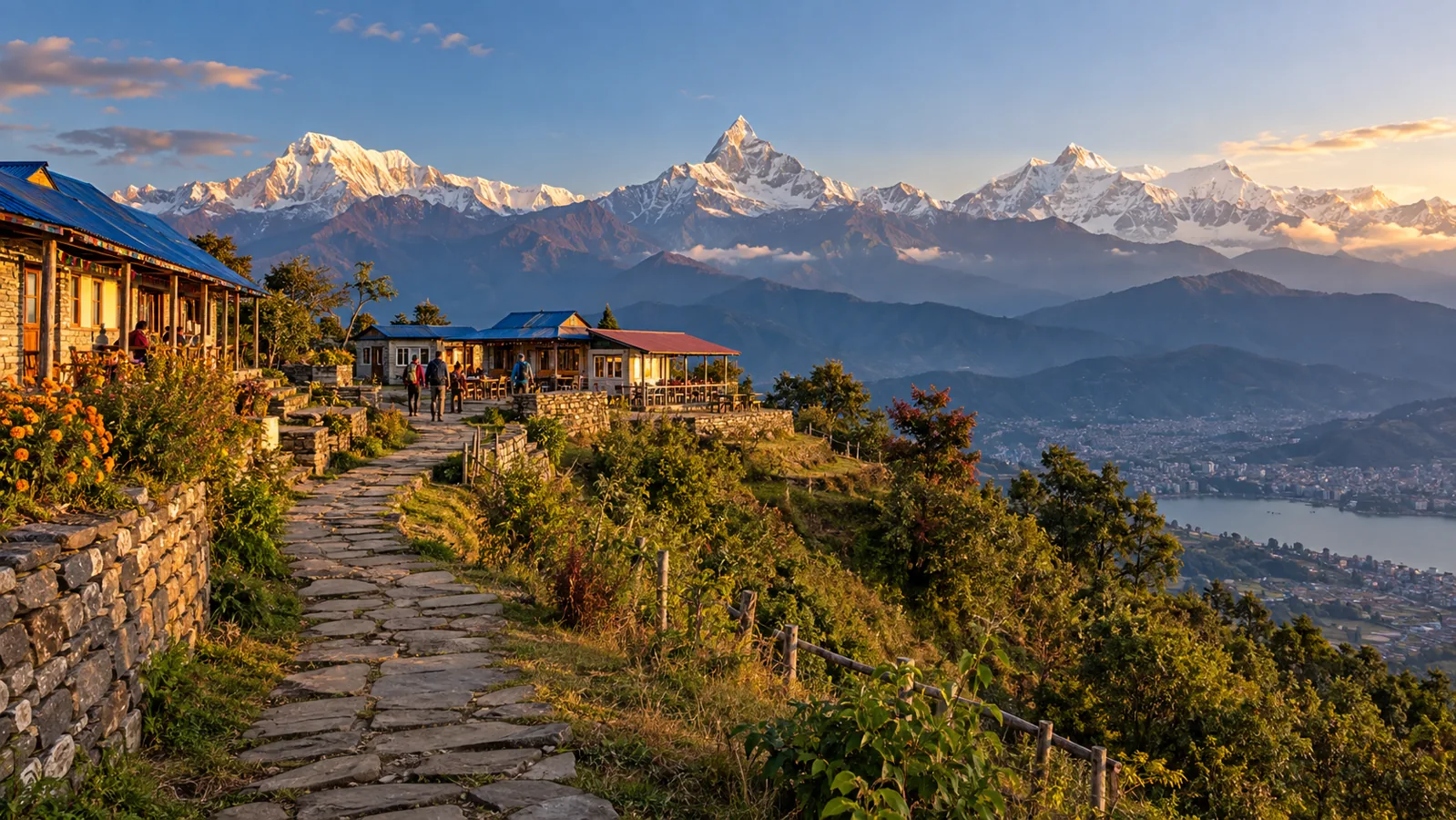
Pokhara & the Annapurna Foothills
A Pokhara-focused week combining lakeside time, a short Annapurna foothill walk and a choice of adventure activities.