Travel guide
Chitwan Safari Guide: Wildlife, Seasons and Ethical Experiences
What to expect from a Chitwan National Park visit — activities, seasons, and Shakurma's position on responsible, non-exploitative wildlife tourism.
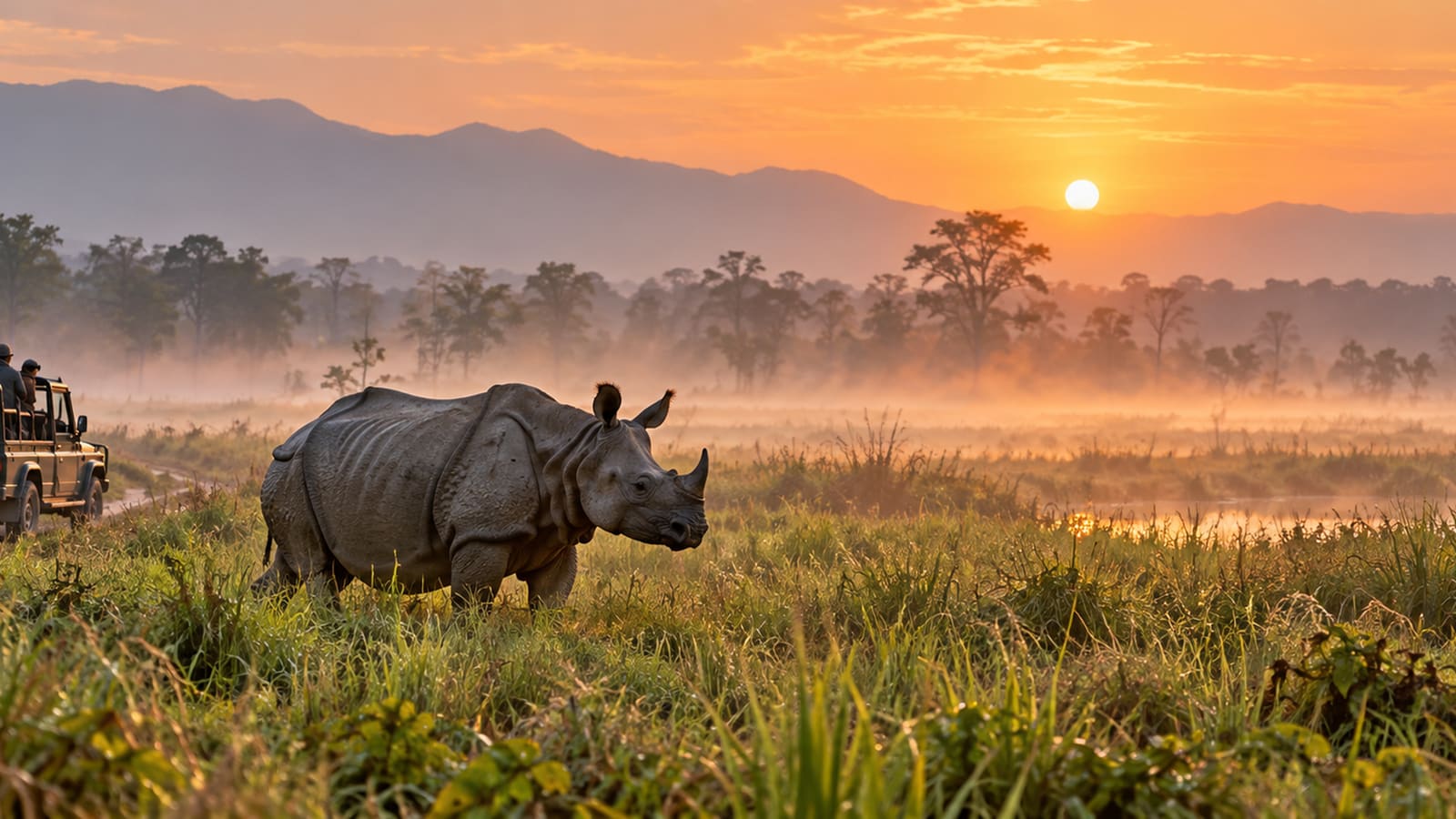
What a Chitwan visit actually involves
A typical stay combines a jeep safari through designated park zones, a canoe excursion along the Rapti or Narayani rivers, a guided walk with an armed park guide, and a Tharu cultural evening. Most itineraries allow 2–3 nights to cover this without feeling rushed.
What you might see
One-horned rhinos are the park's best-known resident, alongside gharial and mugger crocodiles, over 500 recorded bird species, deer, and — much more rarely — a wild tiger sighting from a safe distance. We are always upfront that no genuine wild-park experience can guarantee specific sightings.
Our animal-welfare position
Shakurma does not arrange or promote elephant rides, elephant bathing shows, or any activity involving direct physical contact between tourists and captive wild animals for entertainment. We favour operators whose activities are observation-based and conservation-minded, and encourage travellers to ask questions of any operator before booking independently.
Best seasons
October–March offers the most comfortable temperatures and clearest wildlife viewing as grasses are lower. The monsoon season (roughly June–September) is best avoided, both for comfort and because some park activities may be restricted.
Official sources
Time-sensitive details (visas, fees, schedules) can change — always check the current position with the source directly.
Journeys built around this
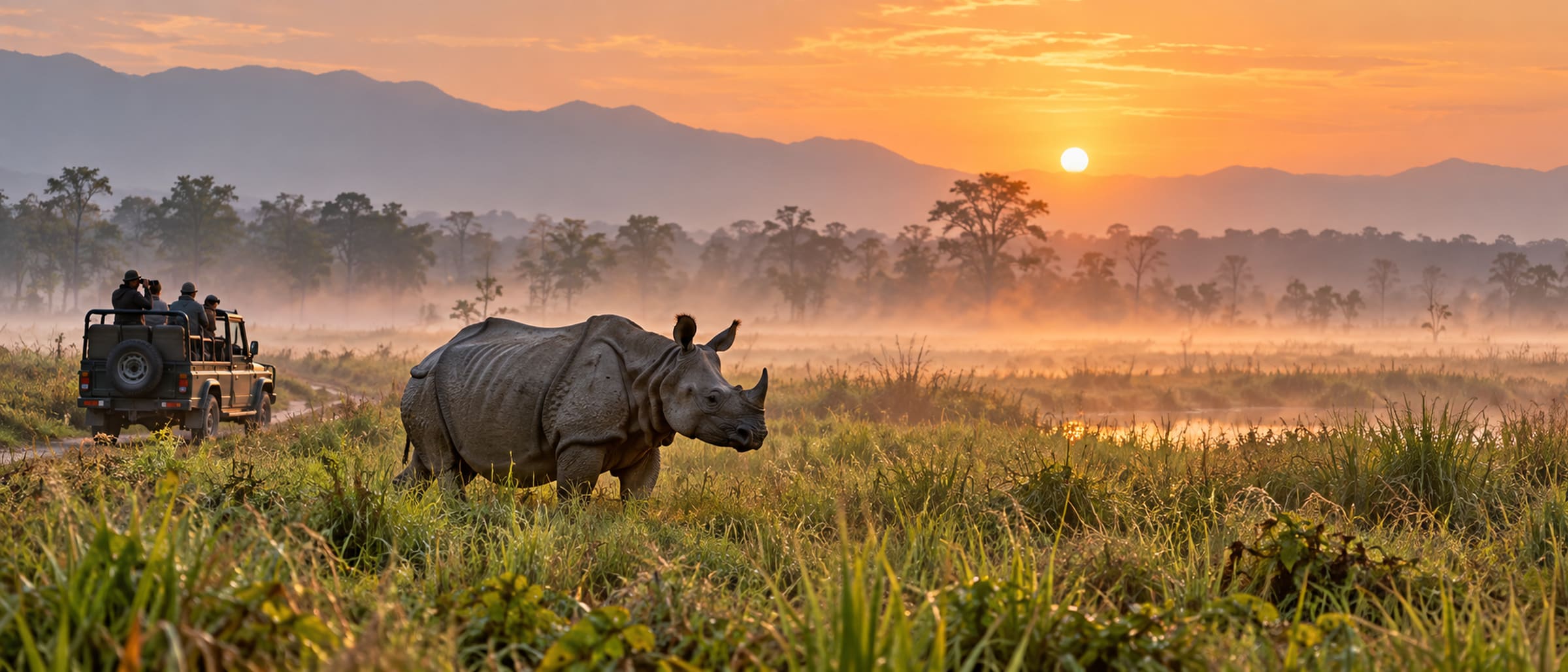
Essential Nepal: Kathmandu, Pokhara & Chitwan
A well-paced first journey through Nepal's three most complementary regions — heritage in Kathmandu, mountains and lakes in Pokhara, and wildlife in Chitwan.
Culture, Wildlife & Wellness
A ten-day journey balancing Kathmandu's heritage, Chitwan's wildlife and a restorative wellness stay in Pokhara.
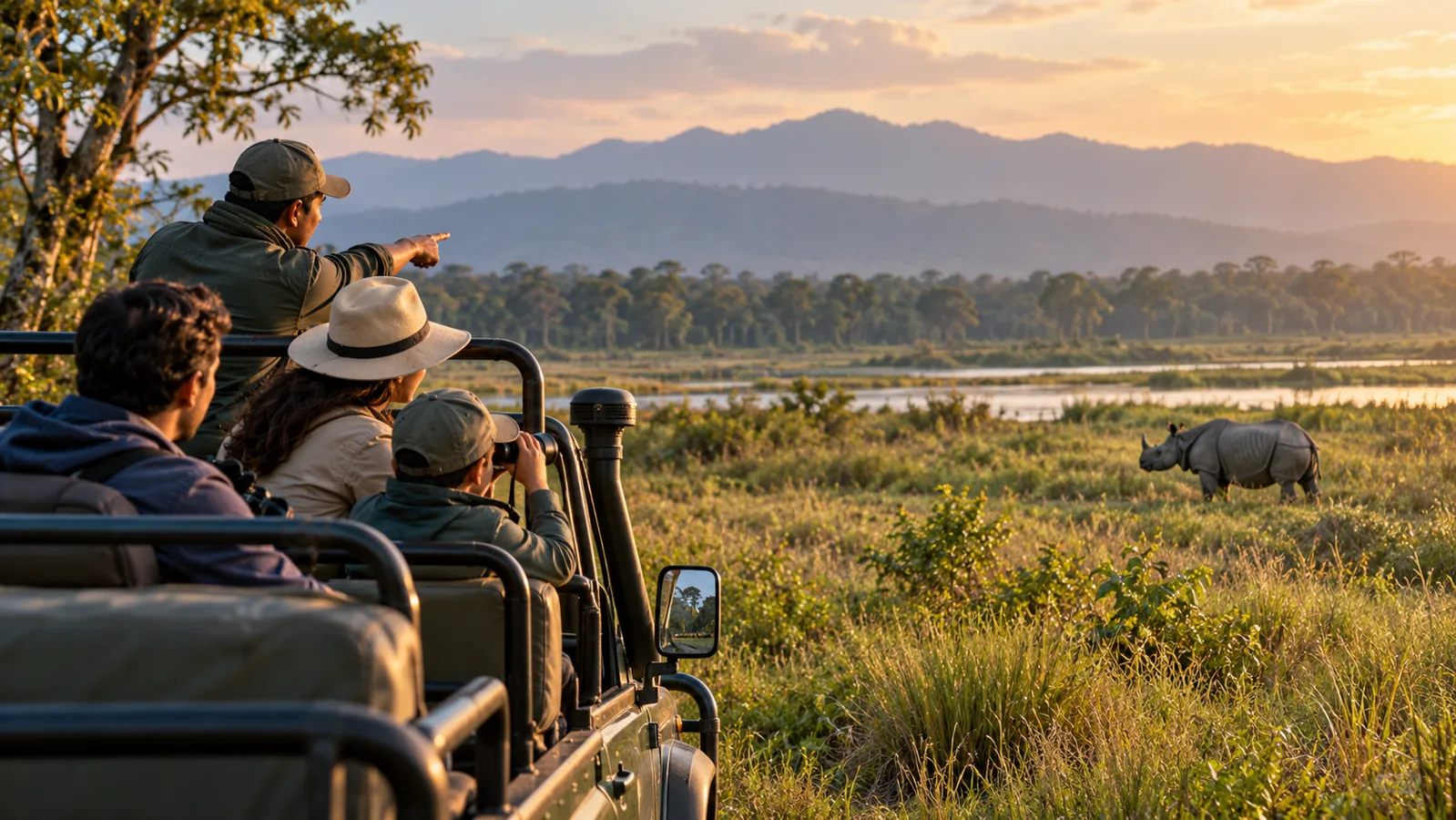
Nepal for Families
A nine-day itinerary designed around families — realistic pacing, engaging activities and accommodation that works for parents and children alike.
Ready to start planning?
Planning a trip around this? Tell us your dates and interests and we'll put together a tailored itinerary.