Travel guide
First-Time Nepal Travel Guide: Everything to Know Before You Arrive
A practical starting point for a first visit to Nepal — entry requirements, what to pack, how much time to allow, and how to think about pacing your trip.
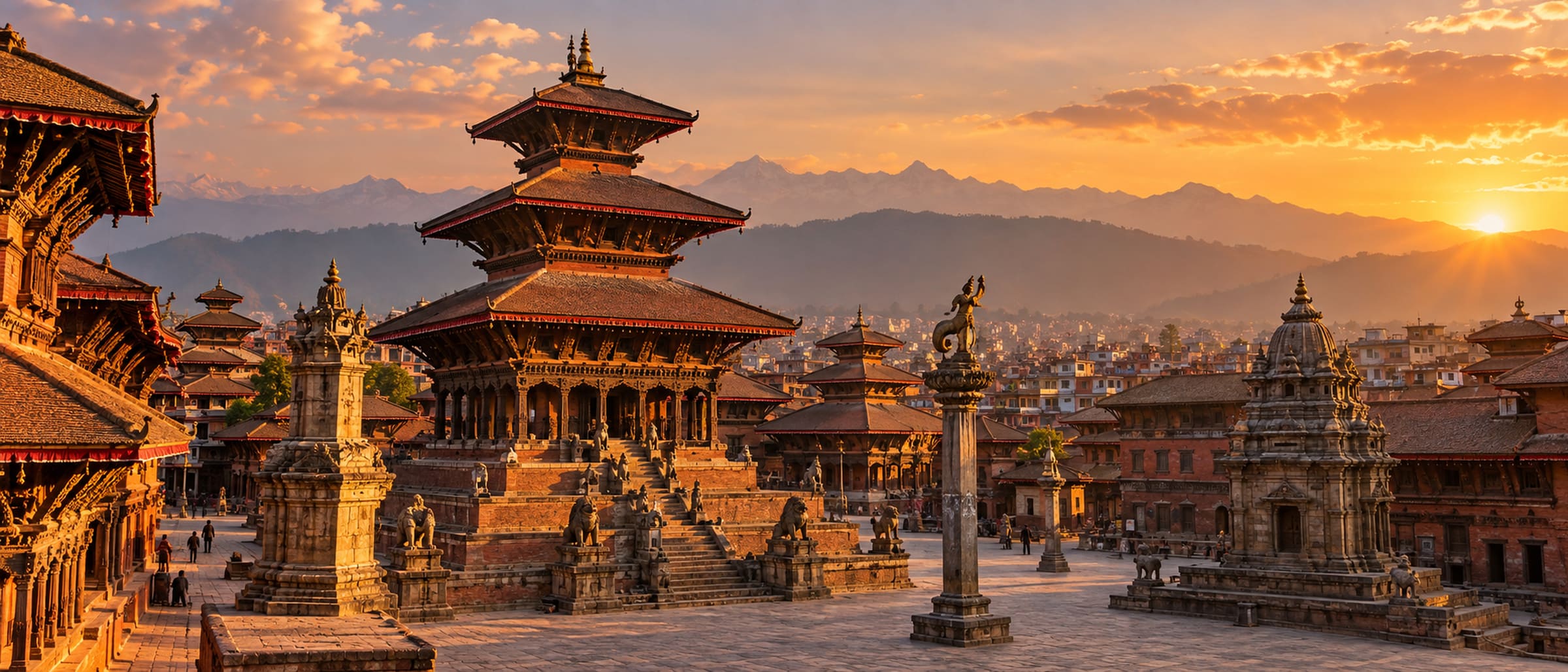
Entry, visas and arrival
Most nationalities can obtain a Nepal tourist visa on arrival at Tribhuvan International Airport (Kathmandu) or in advance, but exact requirements, fees and duration options change and vary by nationality. Always check the official Department of Immigration, Government of Nepal website — linked below — or your nearest Nepali diplomatic mission before travelling, rather than relying on older blog posts (including this one, if enough time has passed since our 'last verified' date above).
Once through immigration and baggage claim, arrange a private pickup in advance if possible — it removes one layer of stress after a long flight, and is something we build into every itinerary as standard.
How much time to allow
Nepal rewards a realistic pace. A common mistake is trying to fit Kathmandu, Pokhara, Chitwan and a trek into one week — it can technically be done, but with very little breathing room. See our companion guide on how many days each region needs for a fuller breakdown.
Money, cards and connectivity
Nepal's currency is the Nepalese Rupee (NPR). Cards are increasingly accepted in Kathmandu and Pokhara hotels and larger restaurants, but cash remains important for smaller vendors, tipping and rural areas — plan to carry some. A local SIM or eSIM is straightforward to arrange in Kathmandu on arrival for data access throughout your trip.
Altitude and fitness basics
If your trip includes any trekking above roughly 2,500–3,000m, altitude acclimatisation matters, even on 'short' treks. We match trek recommendations to your fitness and experience, and brief every trekking traveller on pacing and warning signs before departure — this is not something to research only once you're already on the trail.
What to pack
Packing depends heavily on season and activities — see our seasonal packing list guide for specifics. As a general rule, layering matters more in Nepal's hill and mountain regions than a single 'warm enough' jacket, since temperature swings between sun and shade, or day and night, can be significant.
Official sources
Time-sensitive details (visas, fees, schedules) can change — always check the current position with the source directly.
Relevant destinations
Kathmandu
Nepal's capital is usually where a journey begins and ends — a dense, living valley of temples, courtyards and markets that rewards slowing down for at least two or three days.
Explore Kathmandu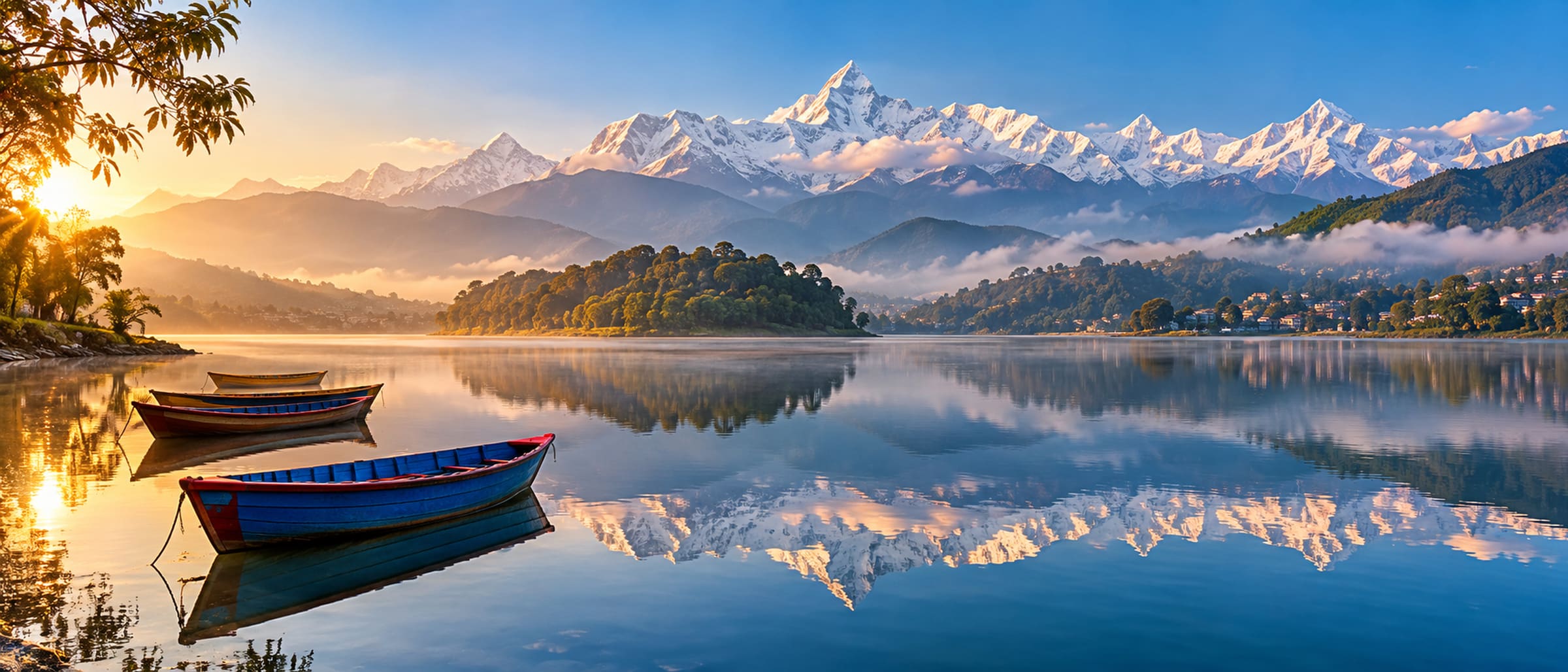
Pokhara
Our home base. A lakeside city facing the Annapurna range, and Nepal's most versatile hub for trekking, adventure sports, wellness and simply slowing down.
Explore PokharaJourneys built around this
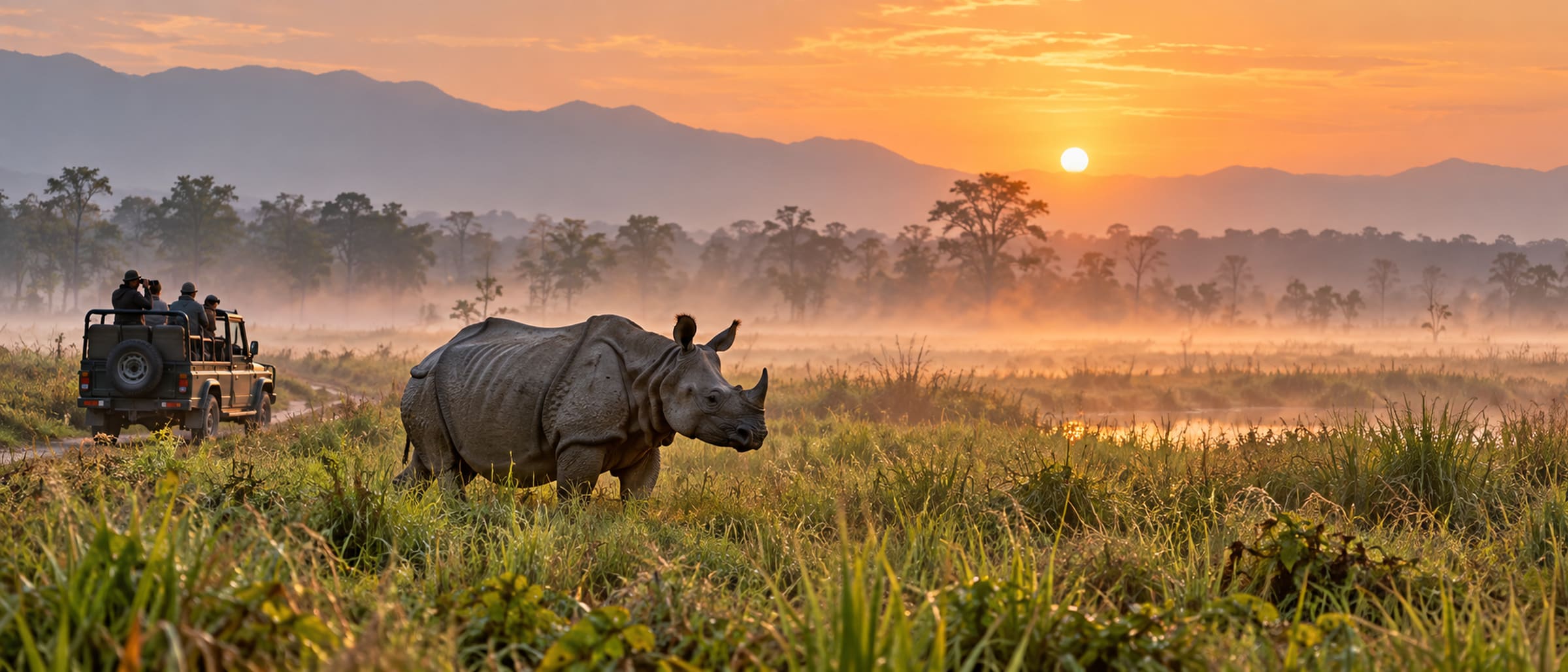
Essential Nepal: Kathmandu, Pokhara & Chitwan
A well-paced first journey through Nepal's three most complementary regions — heritage in Kathmandu, mountains and lakes in Pokhara, and wildlife in Chitwan.
Kathmandu & Pokhara Short Escape
A compact six-day journey for travellers who only have a short window but still want a genuine taste of both cities.
Ready to start planning?
Planning a trip around this? Tell us your dates and interests and we'll put together a tailored itinerary.
Related guides
Kathmandu, Pokhara, Chitwan and Lumbini: How Many Days Do You Need?
A realistic breakdown of how much time each of Shakurma's four core regions deserves, and how to combine them without over-packing your schedule.
Read guide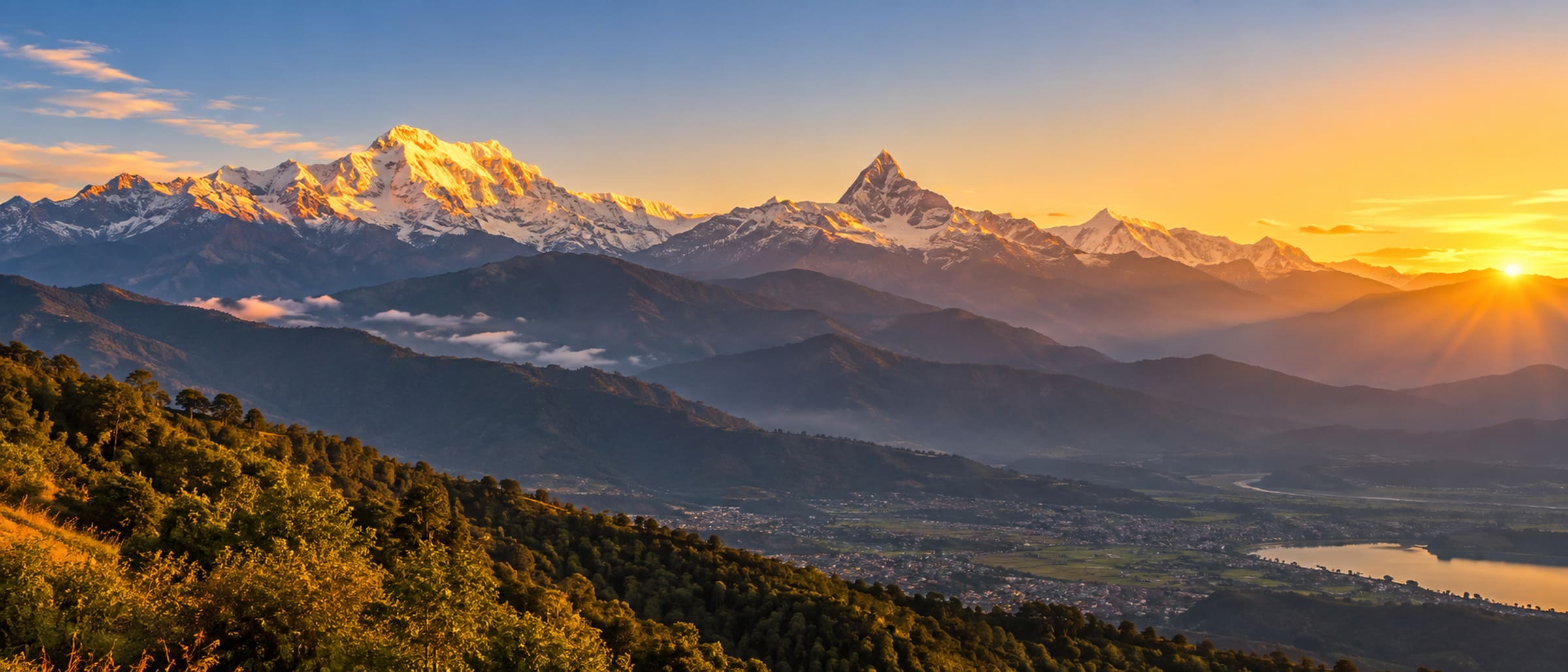
Best Time to Visit Nepal: Weather, Trekking, Wildlife and Festivals
How Nepal's seasons affect trekking visibility, wildlife viewing in Chitwan, and general comfort — season by season.
Read guide